
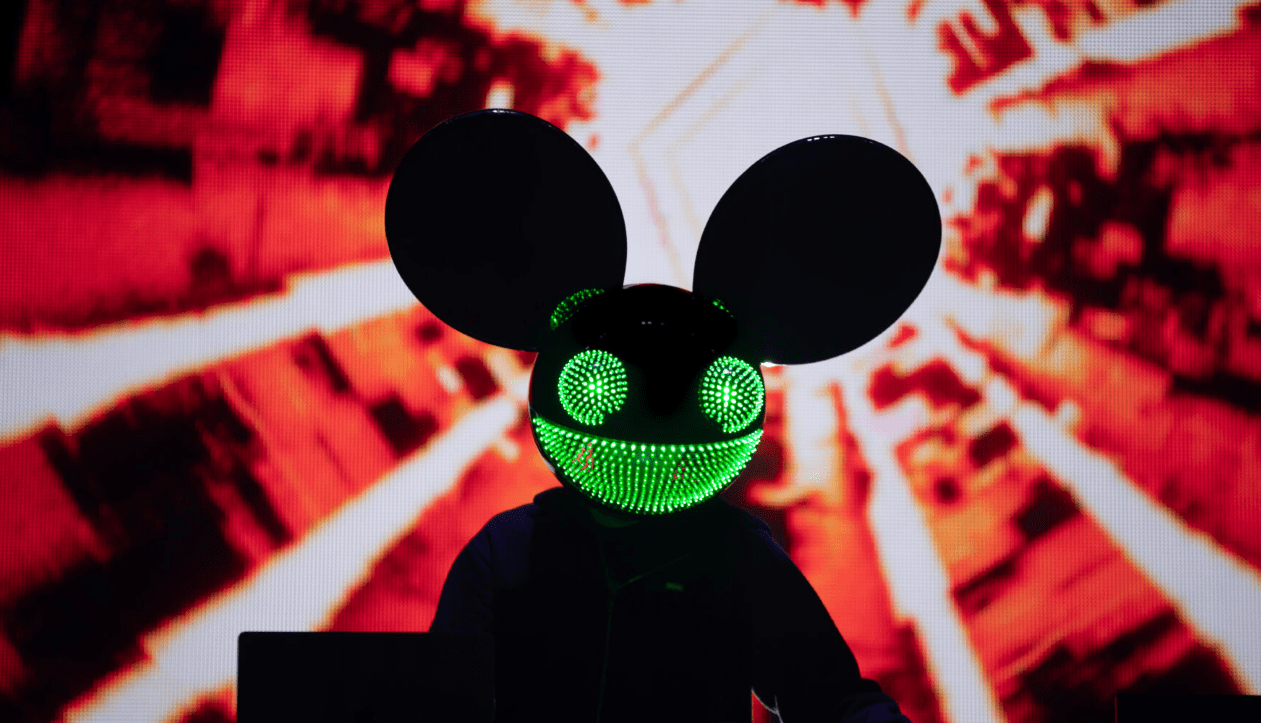
Electronic music legend deadmau5 has publicly accused David Guetta’s production team of copying his iconic “cube” stage design for the French DJ’s vertical stage, The Monolith. The controversy highlights ongoing debates in the dance music world about originality and influence in live performance production.
deadmau5 Speaks Out on Social Media
On Monday, January 6, 2026, deadmau5 took to Threads to share a side-by-side video of his famous cube and Guetta’s new stage structure. His caption humorously yet pointedly framed the latter as derivative.
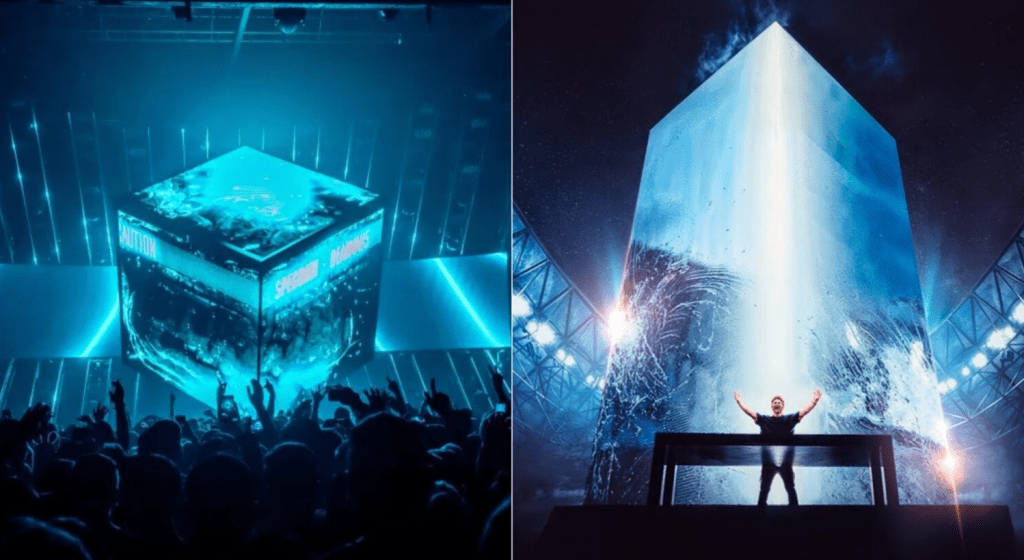
“Do a cube, but make it taller,” he wrote, attributing the words to “some guy,” signaling that he believes Guetta’s team simply scaled up his concept rather than innovating a new one.
To emphasize his point, deadmau5 also shared a GIF from the 1990 Mr. Bean sketch, showing the titular character attempting to cheat off a test neighbor—making a playful comparison to the perceived lack of originality in The Monolith’s design.
The Evolution of deadmau5’s Cube
deadmau5’s cube made its debut in 2010, quickly evolving from a modest setup to a 260-ton production by its final v3 iteration. Key features of the cube included:
- 360° rotation and dynamic tilting capabilities
- Over 600 customizable LED panels projecting visuals in sync with the music
- A subversive, innovative design considered a breakthrough in electronic music stagecraft
- Development requiring millions of dollars, a team of technicians, and custom-built software
The cube’s evolution set new standards in live electronic music experiences, influencing stage production trends across festivals and tours. Its impact is widely recognized as transformative in EDM stage design.
Guetta’s “The Monolith”
David Guetta’s The Monolith debuted in March 2024, developed in collaboration with Romain Pissenem, founder of High Scream, a renowned French creative studio. The stage features:
- Vertical LED prism design, creating a towering visual presence
- Anamorphic illusion technology that allows the central LED structure to shift and morph
- Real-time Notch effects, described by Treatment Studio as forming a “pillar of refracted light”
- Integration of complex visual software that responds dynamically to live performance
While The Monolith is visually striking and technically impressive, deadmau5’s critique suggests it borrows heavily from the cube’s foundational concept.
A History of Innovation in EDM Stage Design
Both deadmau5 and Guetta have pushed the boundaries of live music experiences. deadmau5’s cube redefined how electronic music could be presented on stage, blending visual storytelling with musical performance. Guetta, on the other hand, has consistently sought to elevate his live shows, incorporating advanced visual effects and large-scale immersive environments.
The debate raises broader questions in the electronic music industry about how much influence constitutes inspiration versus imitation. With cutting-edge stage technology, slight modifications can blur the lines between homage and copying.
Community Reactions
Fans and industry insiders have been quick to weigh in. Many acknowledge the cube as revolutionary in EDM stagecraft, while opinions on Guetta’s Monolith range from admiration for its scale and visual impact to criticism for perceived lack of originality.
Social media platforms have been flooded with side-by-side comparisons, GIFs, and commentary, echoing deadmau5’s humorous, yet pointed, assertion. The conversation underscores the passion EDM fans have for authenticity and innovation in live performances.
What’s Next for deadmau5 and Guetta
While no official response has been released from Guetta’s team, deadmau5 continues to engage with his fans and followers regarding stage innovation. Industry watchers suggest this discussion could influence future stage design trends, with artists increasingly mindful of distinctive visual identity in live shows.
For deadmau5, the cube remains a symbol of creative independence and technical mastery, while Guetta’s Monolith represents the ongoing evolution of large-scale EDM productions. Whether The Monolith will inspire or provoke controversy in future performances remains to be seen.
Conclusion
The deadmau5 vs. David Guetta stage design debate highlights the intersection of creativity, technology, and originality in modern electronic music. While both artists continue to push boundaries in live performance, deadmau5’s accusation serves as a reminder that innovation and influence are closely scrutinized by fans and peers alike.
As EDM continues to evolve, these discussions around stage design and artistic identity will shape not only how shows look but also how audiences experience music in immersive, visually spectacular ways.







Comments are closed.