
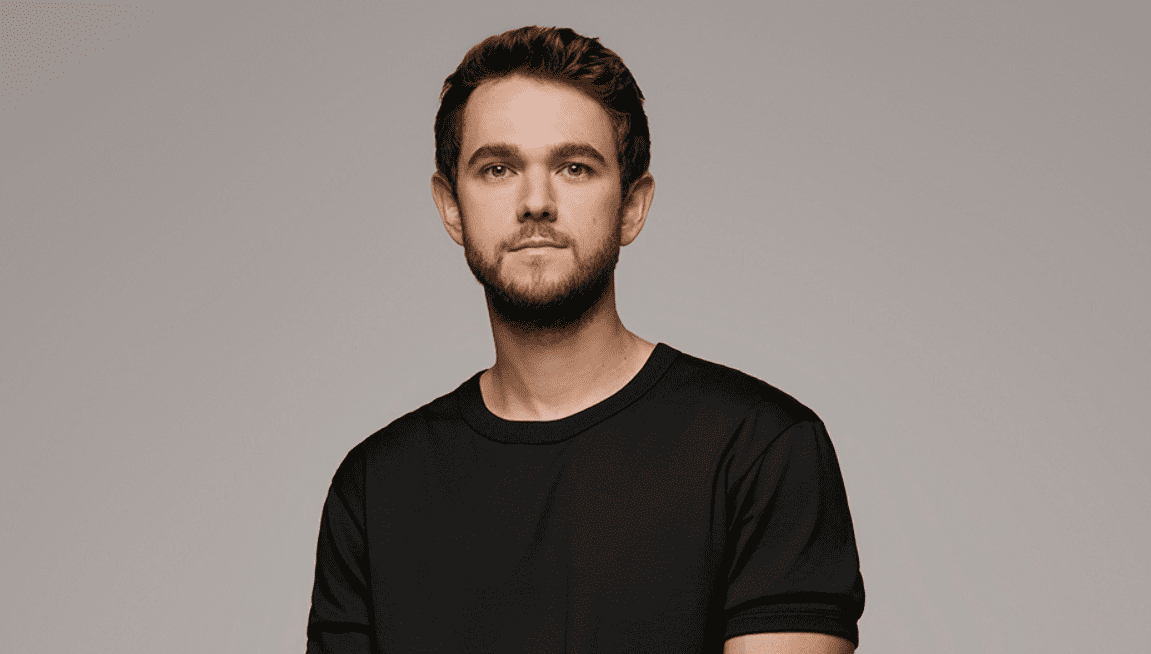
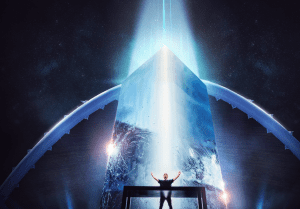
Electronic music has officially entered a new dimension. Zedd launches Space Club rollercoaster at Universal Studios Japan, blending festival energy with high speed thrills inside one of Asia’s most visited theme parks. As a result, the Grammy winning producer brings his signature sound directly into an immersive attraction that pushes entertainment beyond traditional boundaries.
This bold collaboration signals more than a celebrity partnership. Instead, it reflects the growing influence of electronic music in mainstream global entertainment. Now, visitors can step into a club inspired world where music and motion move as one.
Zedd Launches Space Club Rollercoaster at Universal Studios Japan
When Zedd launches Space Club rollercoaster at Universal Studios Japan, he does more than lend his name to an attraction. He transforms the classic rollercoaster formula into a synchronized audiovisual journey.
The Space Club concept merges electronic music with a custom designed high speed ride. Every twist, drop, and acceleration aligns with curated tracks from Zedd. Consequently, riders experience rhythm driven movement that mirrors the pulse of a live DJ set.
Unlike traditional coasters that rely solely on speed and visuals, this experience integrates music as the core storytelling element. Therefore, guests do not simply board a ride. They enter a fully themed club environment built around sound, light, and motion.
A Club Inspired Concept Inside a Global Theme Park
Universal Studios Japan has consistently expanded its entertainment portfolio. However, Space Club marks a strategic evolution. The park now integrates global music culture into its attractions, appealing to a broader and younger audience.
The concept transforms a traditional theme park setting into a nightlife inspired space. Lighting design, immersive audio systems, and synchronized visuals create a festival atmosphere. At the same time, the coaster format keeps the adrenaline factor front and center.
As a result, Universal Studios Japan positions itself at the intersection of music and destination entertainment. This move reflects a wider industry trend. Theme parks are no longer limited to film franchises and animated characters. Increasingly, they collaborate with global music icons to attract diverse demographics.
How Music Driven Rollercoasters Redefine Immersive Experiences
Music driven attractions are not entirely new. However, Space Club elevates the concept by placing an internationally recognized electronic artist at the creative core.
When Zedd launches Space Club rollercoaster at Universal Studios Japan, he brings authenticity to the experience. His curated tracks are not background elements. Instead, they dictate pacing, tension, and emotional peaks throughout the ride.
This synchronization enhances sensory immersion. For example, a build up in the track aligns with a climb. A bass drop coincides with a sudden plunge. Consequently, riders feel as if they are inside a live performance rather than on a standard amusement ride.
Moreover, this format appeals to both dedicated dance music fans and casual park visitors. While electronic music enthusiasts recognize Zedd’s signature sound, newcomers simply enjoy the intensity and cohesion of the experience.
Zedd Expands Beyond Touring and Studio Releases
Zedd has long maintained a strong presence across global festivals and headline shows. Yet, Space Club represents a strategic expansion beyond traditional music channels.
By entering the theme park sector, he extends his brand into large scale experiential entertainment. This partnership introduces his music to audiences who may not attend festivals or club events. Therefore, his sound reaches families, international tourists, and younger visitors discovering electronic music for the first time.
Additionally, this collaboration reinforces the commercial viability of electronic artists outside streaming and touring revenue. As the entertainment landscape evolves, artists increasingly seek cross industry ventures that strengthen brand visibility.
Zedd’s move into themed attractions demonstrates how electronic music continues to integrate into broader cultural platforms. It also highlights how artists can become architects of immersive experiences, not just performers.
Universal Studios Japan Strengthens Its Global Appeal
Universal Studios Japan remains one of the most visited theme parks in Asia. With the launch of Space Club, the park reinforces its commitment to innovation and global relevance.
The partnership aligns with a broader strategy to incorporate international trends into its attractions. Electronic music represents a powerful global movement. Therefore, integrating a figure like Zedd enhances the park’s cultural resonance.
Furthermore, Space Club differentiates Universal Studios Japan from competing destinations. While other parks rely heavily on cinematic storytelling, this attraction taps into live music culture. As a result, it creates a hybrid environment where thrill rides meet nightlife aesthetics.
This diversification strengthens the park’s appeal to young adults and music focused travelers. At the same time, it maintains accessibility for general visitors seeking unique experiences.
The Growing Intersection of Electronic Music and Destination Entertainment
The fact that Zedd launches Space Club rollercoaster at Universal Studios Japan underscores a larger shift in entertainment. Electronic music is no longer confined to clubs and festival stages. Instead, it integrates into mainstream venues worldwide.
In recent years, immersive experiences have gained momentum. Consumers increasingly seek interactive environments rather than passive entertainment. Theme parks, in turn, adapt to this demand by creating attractions that engage multiple senses.
Space Club embodies this evolution. It combines high speed engineering with curated sound design. It merges visual spectacle with rhythmic storytelling. Consequently, it represents a new model for cross industry collaboration.
For the electronic music industry, this development signals expanded influence. Artists now contribute to large scale attractions that shape global tourism experiences. That visibility reinforces dance music’s cultural legitimacy and long term growth.
Why Space Club Matters for the Future of Entertainment
The launch of Space Club is more than a promotional partnership. It reflects a blueprint for future collaborations between music artists and experiential brands.
When Zedd launches Space Club rollercoaster at Universal Studios Japan, he demonstrates how electronic music can anchor destination attractions. This strategy benefits both sides. The artist gains mainstream exposure, while the theme park attracts music driven audiences.
Moreover, the concept opens doors for further innovation. Future attractions may incorporate live DJ appearances, rotating soundtracks, or interactive digital elements. As technology advances, the synergy between music and physical environments will likely deepen.
Ultimately, Space Club illustrates how entertainment boundaries continue to blur. Music, technology, and tourism now intersect in ways that redefine audience engagement.
Conclusion
Zedd launches Space Club rollercoaster at Universal Studios Japan and, in doing so, reshapes how electronic music interacts with global entertainment. By synchronizing curated tracks with high speed motion, the attraction transforms a classic theme park ride into an immersive club inspired journey.
At the same time, the collaboration signals the growing integration of dance music into mainstream cultural platforms. Universal Studios Japan strengthens its global positioning, while Zedd expands his brand into experiential territory.
As immersive attractions evolve, Space Club may serve as a benchmark. It proves that electronic music can power not only festivals and streaming charts, but also world class destination experiences.





Comments are closed.