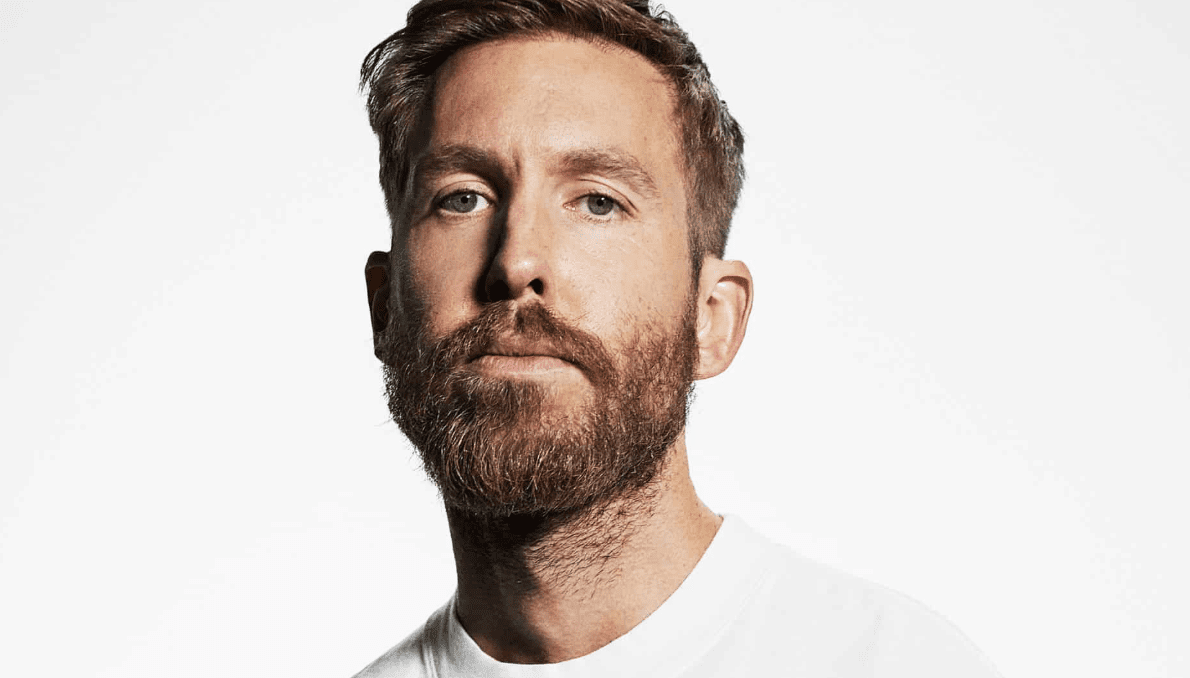
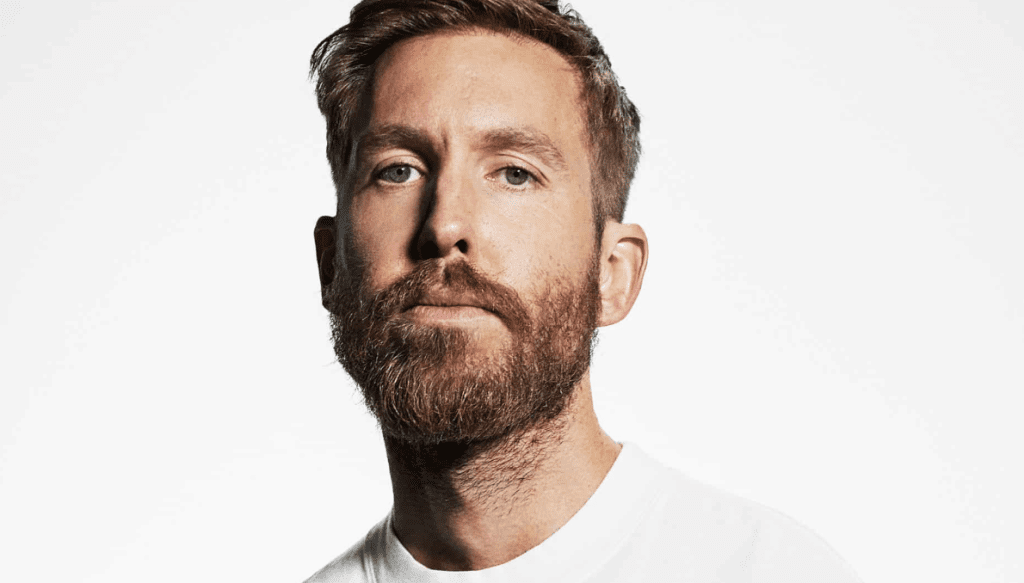
Some festival bookings are announced. Others quietly surface—and instantly reshape the conversation. That is exactly what has happened at Tomorrowland 2026, where Calvin Harris has now been positioned as a dual closing force across both weekends of the festival, marking one of the most significant headline scheduling shifts of the season.
Without fanfare or formal rollout, the updated lineup reveals something striking: Harris is no longer just part of the bill—he is anchoring it.
A Subtle Update with Major Implications
Tomorrowland has always been a festival where details matter. Even minor lineup changes tend to ripple through the global dance music community within hours. So when Calvin Harris quietly appeared as the Weekend One Saturday closer—alongside his already confirmed Weekend Two closing slot—it immediately reframed his 2026 presence.
This is not simply a booking expansion. It is a structural statement about status, demand, and festival hierarchy.
By placing him at the emotional peak of both weekends, Tomorrowland is effectively building its narrative arcs around a single artist—an unusual move even by its own standards.
The Return of a Mainstage Architect
For Calvin Harris, this moment signals a return to full-scale festival dominance after a comparatively restrained period in his output cycle. Known for bridging radio-ready pop with club-rooted production, Harris occupies a rare space in electronic music: equally at home in global charts and peak-time festival sets.
His presence at Tomorrowland has long been expected—but the decision to double his closing duties elevates him into a different category entirely. It positions him not just as a headline act, but as a structural pillar of the festival’s identity for 2026.
In many ways, the move reflects how Tomorrowland now operates: less as a traditional festival lineup, and more as a curated sequence of headline moments designed for global broadcast impact.
Tomorrowland’s Expanding Performance Logic
Set in Boom, Belgium, Tomorrowland 2026 remains the most influential festival brand in global electronic music. Its scale is not just measured in attendance, but in cultural reach—where each announcement becomes part of a wider international discourse.
Across its multiple stages—Mainstage, CORE, Freedom, ASOT, and Atmosphere—the festival has increasingly embraced a dual identity: high-gloss spectacle paired with underground credibility. Within that framework, a name like Calvin Harris functions as a gravitational force, drawing attention across genres and audiences.
The decision to place him in closing position across both weekends is not accidental. It reflects a growing emphasis on continuity between weekends, where headline artists are no longer isolated moments, but recurring narrative anchors.
The Weight of a Closing Set
In festival culture, closing slots carry symbolic weight. They are not just time slots—they are conclusions. The final impression. The emotional release point after hours of escalating energy.
To close one weekend of Tomorrowland is a milestone. To close both is rare.
It suggests trust—not just in performance ability, but in cultural impact. Harris is being positioned as the sound that bookends the festival experience, shaping how both weekends begin to dissolve into memory.
A Festival That Never Stops Rewriting Itself
Part of what keeps Tomorrowland culturally dominant is its ability to evolve its internal logic without losing coherence. Lineup shifts are not just additions—they are recalibrations of how the festival wants to be experienced.
The 2026 edition continues that pattern, with subtle changes that reveal larger strategic intent. In this case, the intent is clear: elevate select artists into recurring narrative roles across the entire festival ecosystem.
And in doing so, Tomorrowland blurs the line between festival lineup and curated story.
A Closing Statement in Two Acts
What makes Calvin Harris’ dual booking so compelling is not just its scale, but its rhythm. Two weekends. Two finales. One artist acting as a connective thread through an entire festival experience.
It is a reminder that in the modern era of electronic music, headline status is no longer just about presence—it is about placement, repetition, and emotional architecture.
And at Tomorrowland 2026, that architecture now has a familiar signature at both ends.




Comments are closed.