


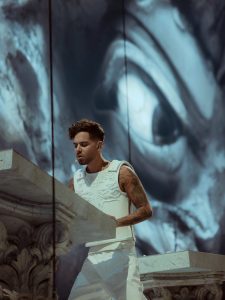
Electronic music pioneer Moby delivered more than just a memorable live performance during his appearance at On The Beach Brighton. In a heartfelt speech that resonated with thousands of fans, the legendary producer reflected on the profound influence British music has had on his life and career before praising the United Kingdom’s pivotal role in shaping global rave culture.
His comments quickly sparked conversation across the electronic music community, with many fans celebrating the recognition of the UK’s contribution to dance music while others highlighted the genre’s American roots. Regardless of where the debate lands, Moby’s tribute served as a reminder of how house, techno, and rave culture evolved through international collaboration and shared musical passion.
Moby Reflects on His Lifelong Love for British Music
Before launching into one of the final moments of his set, Moby paused to share a personal story with the Brighton audience. He explained that his fascination with British music began when he was still a child, describing himself as an “anglophile” from an early age.
He recalled discovering iconic British acts that helped shape his musical identity, including the Sex Pistols, Public Image Ltd., The Clash, Joy Division, New Order, and Echo & the Bunnymen. Their music, he explained, opened the door to an entirely new creative world that would later influence his own productions.
For Moby, these artists represented more than successful bands. They embodied a spirit of experimentation and cultural change that inspired countless musicians throughout the world.
The UK’s Lasting Influence on Rave Culture
From House Music to a Global Movement
During his speech, Moby acknowledged the origins of house music, crediting legendary Chicago DJ Frankie Knuckles for helping establish the genre. However, he emphasized that the United Kingdom transformed house and techno into something much larger than underground club music.
According to Moby, Britain became the place where electronic dance music truly exploded into mainstream youth culture. He praised influential DJs and promoters including Paul Oakenfold, Danny Rampling, Pete Tong, and Carl Cox, suggesting their contributions helped create what millions now recognize as modern rave culture.
Addressing the audience, he declared:
“This is where house music exploded, this is where techno exploded… you invented rave culture.”
The statement drew enthusiastic applause from the Brighton crowd and soon circulated widely across social media, where electronic music fans debated and celebrated his remarks.
Why Moby’s Comments Matter
Moby’s tribute highlights an important chapter in electronic music history. While house music emerged from Chicago and techno developed in Detroit during the 1980s, the United Kingdom played an essential role in expanding both genres beyond their American origins.
The arrival of acid house in Britain during the late 1980s sparked an unprecedented cultural movement. Warehouse parties, outdoor gatherings, and large-scale raves introduced electronic music to a new generation of listeners. These events helped establish dance music as more than a nightclub experience. They became cultural milestones that influenced fashion, art, nightlife, and youth identity.
British DJs, promoters, and record labels also helped expose international audiences to electronic music through festivals, radio broadcasts, club residencies, and commercial releases. Their efforts accelerated the genre’s worldwide popularity throughout the 1990s and beyond.
Because of this history, many industry figures distinguish between the invention of house and techno as musical genres and the evolution of rave culture as a global social movement. Moby’s comments reflected this broader cultural perspective rather than challenging the well-established American origins of house and techno.
Remembering Rain Dance 1991
One of the most emotional moments of Moby’s speech came when he shared memories of attending his first British rave.
He recalled visiting the legendary Rain Dance event in 1991, describing a warm summer night in a field surrounded by approximately 10,000 people united by music.
According to Moby, the atmosphere left a permanent impression on him. As the DJ played Rozalla’s “Everybody’s Free”, the entire crowd raised their hands in unison.
“It just felt like perfection,” he remembered.
That single experience became one of the defining memories of his connection with British dance culture and reinforced his admiration for the country’s rave scene.
Brighton Provides the Perfect Backdrop
The On The Beach Brighton festival has become one of the UK’s standout summer music events, regularly welcoming internationally acclaimed electronic artists to the city’s famous seafront.
Against that backdrop, Moby’s speech carried additional significance. Brighton has long been associated with vibrant nightlife, independent music culture, and an enthusiastic electronic music community, making it an ideal location for a reflection on rave history.
Festival organizers later shared footage of the moment on social media, where it quickly attracted widespread attention among dance music fans around the world.
A Conversation About Electronic Music’s Shared History
Although Moby praised Britain for inventing rave culture, music historians generally present a more nuanced timeline.
The foundations of electronic dance music were built in the United States, particularly through the pioneering work of Chicago’s house scene and Detroit’s techno innovators. Britain then embraced these sounds, creating a unique rave movement that introduced electronic music to a much broader audience.
Rather than viewing these milestones as competing narratives, many experts see them as complementary chapters in the same story. American innovation provided the musical foundation, while British club culture helped transform those sounds into a worldwide phenomenon.
That international exchange remains one of electronic music’s defining characteristics today, with artists, DJs, festivals, and fans continuing to influence one another across borders.
Moby’s Tribute Resonates Beyond the Stage
Moby’s remarks in Brighton were more than nostalgic reflections. They acknowledged the people, places, and moments that helped shape modern dance music while recognizing the enduring impact of rave culture decades after its emergence.
His speech also reminded audiences that electronic music has always been built through collaboration across cities, countries, and generations. From Chicago and Detroit to Manchester, London, and Brighton, each chapter has contributed to the culture enjoyed by millions today.
As electronic music continues to evolve, Moby’s heartfelt tribute serves as a timely reminder that its greatest strength has always been its ability to bring people together through shared experiences on the dance floor.
Conclusion
Moby’s UK rave culture tribute at On The Beach Brighton struck a chord with fans because it celebrated an important era in electronic music history while recognizing the UK’s lasting influence on the global dance scene. Although house and techno were born in the United States, Britain’s embrace of those genres helped create the worldwide rave movement that continues to thrive today. His reflections offered both a personal look back and a broader appreciation for a culture that remains one of electronic music’s most enduring legacies.








Comments are closed.