
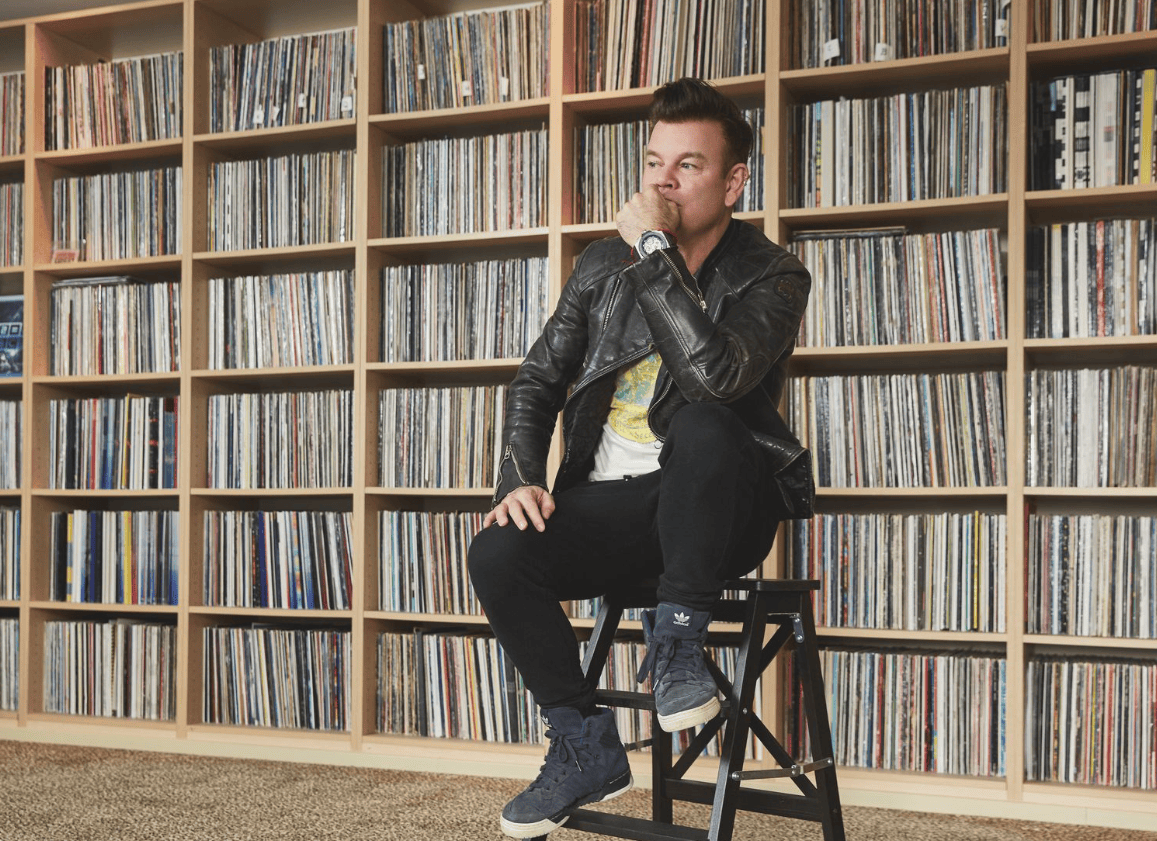
The Paul Oakenfold Big Brother theme is getting a fresh lease of life. More than two decades after the original became one of the most recognisable pieces of electronic music ever associated with British television, Oakenfold is revisiting the track with a new 2026 interpretation for Perfecto Records.
Originally created for the launch of the UK version of Big Brother in 2000, the theme was an unusual meeting point between television and trance. What began as a short piece of music designed for a TV show quickly became a chart success, reaching No. 4 on the UK Singles Chart and introducing the sound of electronic dance music to millions of viewers.
Now, 26 years later, Oakenfold is returning to that distinctive sound.
Paul Oakenfold Brings Back the Big Brother Theme
The new Paul Oakenfold Big Brother theme reinterpretation is scheduled for release this week through Perfecto Records, the label founded by Oakenfold and closely associated with his long career in electronic music.
Rather than simply recycling a piece of early-2000s nostalgia, the 2026 version offers an opportunity to rethink one of Oakenfold’s most unusual crossover records through a contemporary production lens.
The original was created by Oakenfold and composer Andy Gray under the name Elementfour. Their work became the musical signature of the UK’s Big Brother when the reality series premiered on Channel 4 in 2000.
At the time, few television themes had such a direct connection to the rapidly expanding club and trance scene. The track’s hypnotic electronic pulse made it instantly identifiable, while its repeated exposure during the show’s primetime broadcasts helped push its sound far beyond the dancefloor.
How the Original Big Brother Theme Became a Hit
The Paul Oakenfold Big Brother Theme Crossed From Club Culture to Television
The success of the original track reflected the extraordinary popularity of trance around the turn of the millennium.
Oakenfold was already one of the genre’s most influential figures. His Tranceport compilation had become an important reference point for the late-1990s trance movement, while Perfecto had established itself as a major label within electronic music.
Against that backdrop, the Big Brother theme represented a particularly unusual crossover.
Television audiences who might never have walked into a nightclub were suddenly hearing a distinctly electronic composition every night. The track became closely tied to the show’s identity, while its release as a single transformed what could have remained a short television cue into a standalone commercial record.
It eventually climbed to No. 4 on the UK Singles Chart.
That achievement underlined just how deeply electronic music had entered mainstream British culture by the early 2000s.
Why the Original Still Sounds Familiar
Part of the theme’s staying power comes from its simplicity.
Rather than relying on an elaborate arrangement, the track is built around a memorable electronic motif, pulsing arpeggios and a stripped-back trance framework. That clarity made it easy to recognise after only a few seconds.
The connection with Big Brother strengthened that recognition even further.
For viewers of the original series, the music became part of the weekly television experience. It accompanied the opening of a show that quickly became a major part of British popular culture, giving the track a context that extended far beyond electronic music.
Over the years, the original has continued to appear in DJ sets, compilations and electronic music throwback moments. Its distinctive melody also helped it develop a life independent of the programme that first introduced it.
Oakenfold Returns to a Defining Period
The 2026 reinterpretation arrives during another active period for Paul Oakenfold.
The Perfecto founder remains closely connected to trance, a genre that has experienced renewed interest among established fans and a younger generation of electronic music listeners.
That resurgence provides an interesting backdrop for revisiting the Big Brother theme.
The current electronic scene is filled with artists looking back to classic trance production while updating its sound for modern clubs and festivals. Oakenfold’s new version arrives within that broader conversation, connecting a landmark record from 2000 with the production aesthetics of 2026.
It also follows renewed attention around Oakenfold’s catalogue. Earlier this year, Argy reworked his trance classic “ResuRection,” while Oakenfold has also shared a selection of tracks that remain part of his DJ USB collection.
The new Big Brother version therefore feels less like an isolated anniversary exercise and more like another connection between Oakenfold’s legacy and the current trance landscape.
A TV Theme With a Remarkably Long Musical Life
Few electronic television themes have enjoyed the same cultural lifespan.
The original Big Brother theme succeeded because it occupied two worlds simultaneously. It worked as a recognisable television identifier, but it also had enough musical substance to stand on its own as a club and chart record.
That distinction matters.
Many TV themes are remembered primarily because of the programmes they introduced. The Elementfour production became notable for another reason: listeners could encounter it without necessarily thinking of television at all.
Its release as a single helped cement that identity.
More than two decades later, the track remains a useful snapshot of a period when trance was moving rapidly from specialist club culture into mainstream entertainment.
What to Expect From the 2026 Reinterpretation
Details surrounding the new version have been kept relatively limited, but its timing makes the release particularly interesting.
Modern electronic production offers considerably more flexibility than the tools available to producers in 2000. A new interpretation can preserve the recognisable musical DNA of the original while introducing updated sound design, mixing and arrangement.
That creates several possibilities.
Oakenfold could emphasise the track’s hypnotic qualities, give its main motif a larger festival treatment or bring the production closer to the contemporary trance sound. Whatever direction he takes, the challenge is maintaining the identity that made the original instantly recognisable.
For longtime fans, that balance will likely be one of the most interesting parts of the release.
The Big Brother Theme Returns at the Right Time for Trance
The return of the Paul Oakenfold Big Brother theme is ultimately a reminder of how electronic music can outlive the moment for which it was created.
The original track was born from a television project in 2000. It became a chart hit, a recognisable piece of British pop culture and an unexpected part of trance history. Now, in 2026, Oakenfold is giving it another interpretation.
For listeners who remember the original Big Brother era, the release offers a direct connection to a defining period in electronic music. For newer trance fans, it provides a chance to discover one of the genre’s more unusual mainstream crossover stories.
The theme may have started life as television music, but its journey did not end when the programme moved on.
More than two decades later, those unmistakable electronic sounds are returning once again, this time with Paul Oakenfold himself revisiting the record that helped bring trance into millions of British homes.






Comments are closed.