
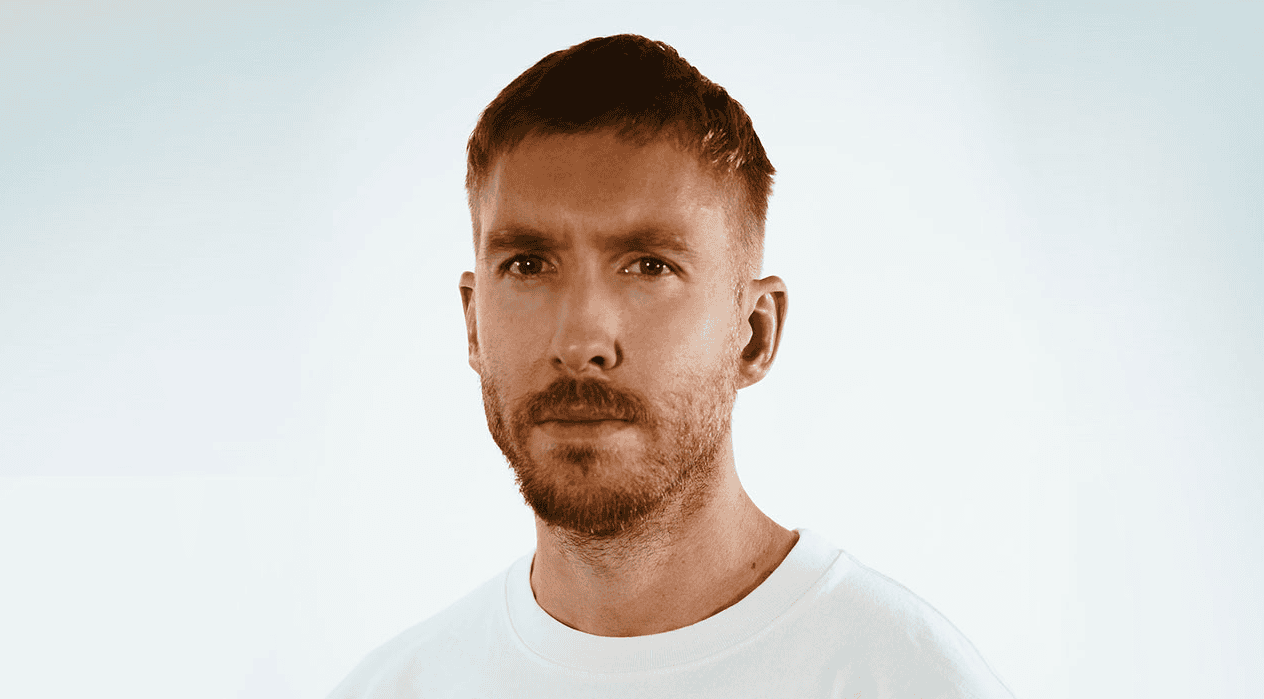
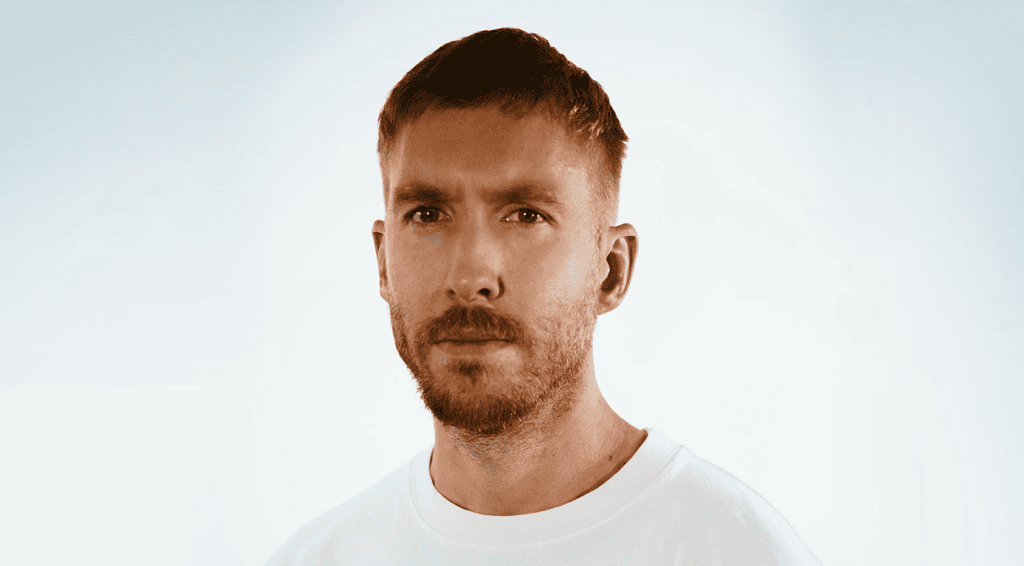
Calvin Harris has built an unexpected second world in Ibiza — one that exists far beyond the island’s legendary clubs, packed dance floors and electronic music festivals. The Scottish superstar is the owner of Terra Masia, a 56-hectare estate that has grown into Ibiza’s largest certified organic farm, creating a striking contrast with the high-energy career that has made Harris one of the biggest names in modern dance music.
Known globally for defining crossover dance hits including One Kiss, This Is What You Came For, Feel So Close, Summer and Outside, Harris has spent much of the past two decades operating at the highest level of the electronic music industry. His Ibiza connection, meanwhile, has traditionally been associated with clubs, residencies and the island’s international nightlife culture.
Terra Masia tells a different story.
Rather than another luxury property or celebrity lifestyle project, the 56-hectare estate is functioning agricultural land with certified organic production at its heart. The farm produces vegetables, eggs and wine, while also serving as an event space when required. More importantly, its approach places sustainability and natural agricultural practices at the center of its operation.
A very different side of Calvin Harris
The contrast between Harris’ musical career and his agricultural project could hardly be more dramatic.
On stage, the producer operates in a world of stadium-scale productions, festival fireworks, lasers and thousands of people singing along to records that have dominated global charts. At Terra Masia, the rhythm is dictated by the seasons.
The farm requires patience rather than immediate results. Crops depend on weather and soil, while agricultural production follows natural cycles that cannot be accelerated in the same way as a studio project or touring schedule.
That makes the estate an intriguing extension of Harris’ life in Ibiza.
The island has long been an important location for the producer, both professionally and personally. Yet while his music has helped shape the sound of modern Ibiza, Terra Masia connects him to another part of the island’s identity — its countryside and agricultural heritage.
What makes Terra Masia different?
The scale of Terra Masia is one of its defining characteristics.
At 56 hectares, the estate represents a significant expanse of agricultural land on an island where development, tourism and seasonal population growth have placed increasing pressure on available resources.
The farm is also certified organic, meaning its agricultural practices are subject to standards designed to limit the use of synthetic pesticides and other conventional chemical inputs.
Instead, Terra Masia relies on more natural methods of managing crops and pests. Its production includes fresh vegetables, eggs and wine, creating a diverse agricultural operation rather than a single-purpose plantation.
That distinction matters in Ibiza, where celebrity-owned properties can easily become associated with luxury consumption rather than environmental responsibility.
Terra Masia, by comparison, is a working farm.
Ibiza beyond the clubs
For international visitors, Ibiza is often defined by nightlife.
The island has become one of the world’s most recognizable destinations for electronic music, attracting DJs, producers, celebrities and millions of visitors each year. Clubs such as Pacha, Amnesia, Hï Ibiza and DC-10 have helped establish the island as a global center of dance culture.
But behind that image exists another Ibiza.
The island has a long agricultural history, characterized by traditional farms, dry-stone walls, orchards, vineyards and rural communities. Local agriculture has historically played an important role in the island’s food culture and landscape, even as tourism has transformed its economy.
Terra Masia sits within that less visible side of Ibiza.
Its existence highlights the tension between two versions of the island: Ibiza as a global entertainment destination and Ibiza as a Mediterranean landscape that needs to preserve its natural resources.
Sustainability becomes increasingly important
The conversation around sustainability in Ibiza has become impossible to separate from the island’s enormous tourism economy.
During the summer months, the population can increase dramatically as visitors arrive from across Europe and around the world. That creates pressure on infrastructure, water supplies, housing, waste management and the environment.
Water, in particular, remains one of the island’s most important environmental concerns.
Agriculture and tourism can compete for limited resources, making responsible land management increasingly important. Maintaining agricultural areas can also contribute to biodiversity and help preserve the rural character of the island.
Against this backdrop, an organically certified farm spanning 56 hectares becomes more significant than its celebrity association might initially suggest.
More than a celebrity lifestyle project
Celebrity agricultural ventures can sometimes attract attention primarily because of their owners. Terra Masia, however, represents something more substantial.
The estate is not simply a backdrop for social media content. Its agricultural certification, production and scale give it a practical role within Ibiza’s rural landscape.
That does not make it immune from the questions that surround any large private estate. But it does distinguish Terra Masia from projects that are primarily designed around luxury branding.
Its agricultural identity appears to be central rather than decorative.
Harris has also shared glimpses of the property and its agricultural activities through social media, offering followers an unusual look at the less glamorous side of his Ibiza lifestyle.
From One Kiss to organic farming
There is an almost poetic contrast between Harris’ most recognizable musical world and his work at Terra Masia.
One Kiss became a global dance anthem. This Is What You Came For became one of the defining electronic-pop records of its era. Feel So Close remains a festival staple more than a decade after its release.
Those records are built around precision, repetition and carefully engineered production.
A farm operates according to completely different rules.
A field cannot be rushed. A harvest cannot simply be rescheduled because a deadline has moved. Weather, soil, water and biodiversity all influence the final result.
For an artist whose career has been built around controlling every detail of a production, the agricultural environment offers an entirely different relationship with time.
That may be part of what makes the project so interesting.
A changing relationship with Ibiza
Harris’ relationship with Ibiza has evolved alongside his career.
The island once represented primarily a destination for club performances and summer residencies. Today, it appears to represent something broader — a place where the producer has established a significant part of his personal life and invested in a project with roots in the local landscape.
Terra Masia consequently adds another dimension to Harris’ identity.
He is no longer simply an international DJ who performs in Ibiza during the summer season. Through the farm, he has become connected to a physical piece of the island itself.
That distinction is increasingly meaningful as Ibiza faces questions about what kind of destination it wants to become.
The future of the White Isle
Ibiza’s global appeal is unlikely to disappear. Its position at the center of electronic music is deeply established, and every summer brings another generation of artists and clubbers to the island.
But the future of Ibiza cannot be based entirely on nightlife.
Preserving agricultural land, protecting natural resources and supporting more sustainable forms of production will become increasingly important as the island navigates the consequences of mass tourism.
Terra Masia exists within that wider conversation.
Its 56 hectares represent a significant area of working land, while its organic certification places the estate within a growing movement toward environmentally conscious agriculture.
For Harris, the farm also provides a rare opportunity to build something with a completely different kind of legacy.
Music is inherently temporary. A set lasts a few hours. A festival moment may live online for years, but the performance itself disappears as soon as the final track ends.
Agriculture is different.
A farm can continue producing long after the person who established it is gone. Its value is measured not in streams or chart positions, but in what it contributes to the land and the people around it.
An unexpected chapter in Calvin Harris’ career
Terra Masia may not be the first thing people associate with Calvin Harris, but it could ultimately become one of the most interesting chapters of his life away from music.
The 56-hectare estate represents a substantial agricultural undertaking, a commitment to organic production and a connection to an aspect of Ibiza that exists far beyond its global nightlife reputation.
It also reflects a broader shift in the way Ibiza is being understood.
The island can simultaneously be the home of some of the world’s most influential clubs and one of the Mediterranean’s most valuable agricultural landscapes. It can host thousands of people dancing through the night while still needing to protect the land, water and ecosystems that make the destination unique.
Terra Masia sits precisely at that intersection.
For Calvin Harris, meanwhile, it offers a fascinating counterbalance to a career defined by speed, scale and global attention. Away from festival stages and studio sessions, the superstar has invested in something slower, more physical and deeply connected to the landscape.
In a place famous for its nightlife, Terra Masia is a reminder that Ibiza’s story is much bigger than the dance floor.





Comments are closed.