
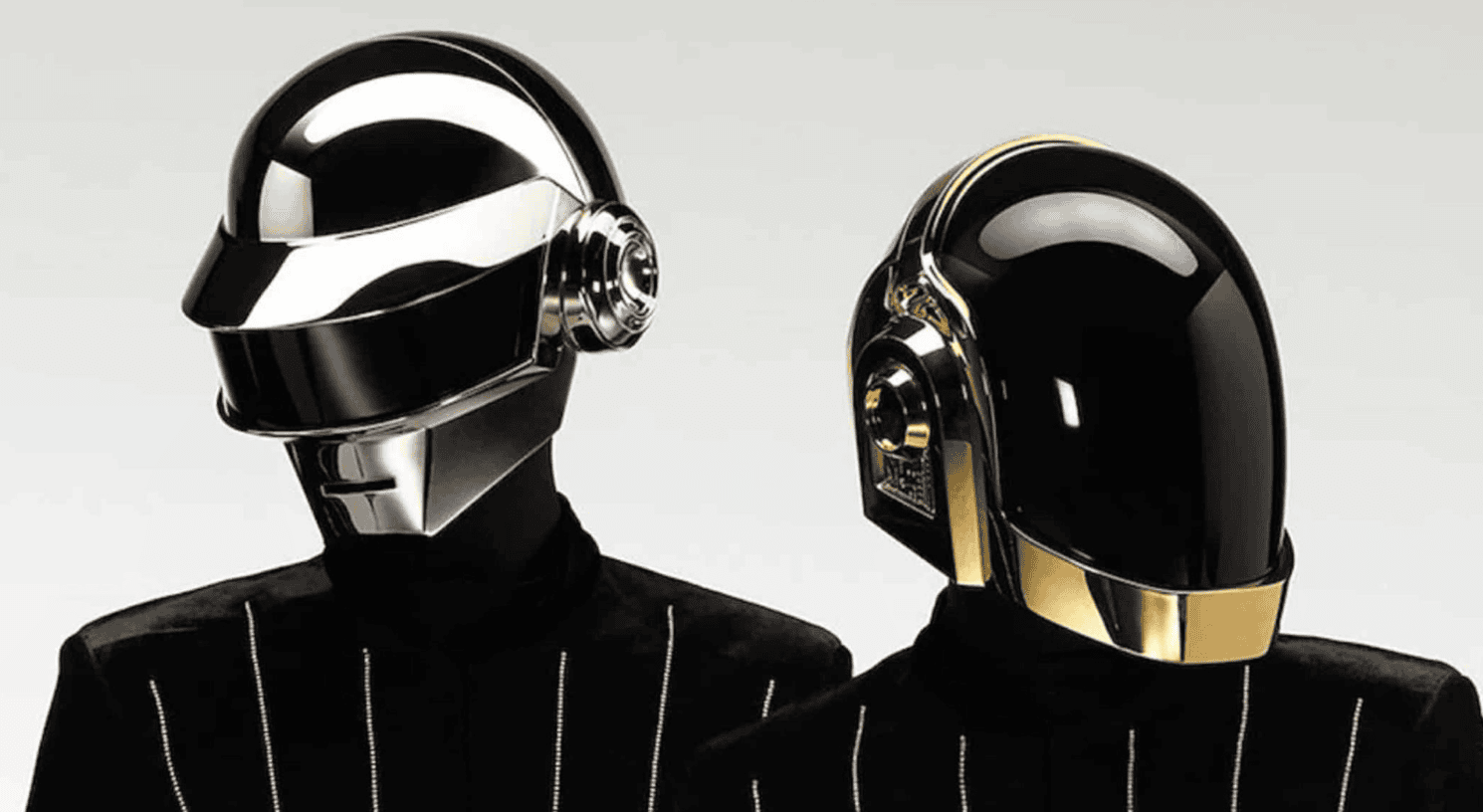
Few artists have shaped electronic music and pop culture as profoundly as Daft Punk. Although the legendary French duo officially ended their partnership in 2021, their influence continues to grow with every new discovery from their creative archive. Now, fans have been treated to a fascinating glimpse into the origins of one of music’s most recognizable visual identities.
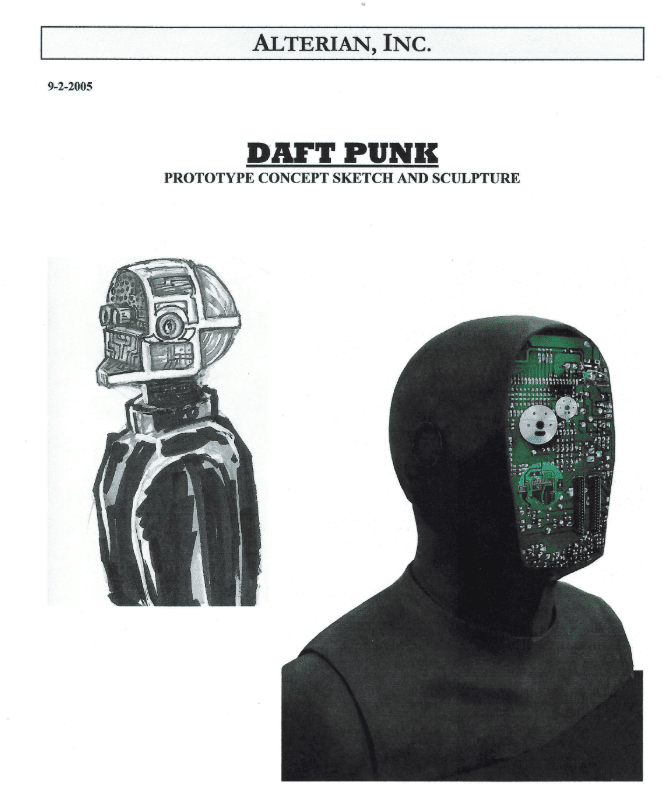
Recently unveiled concept sketches and prototype designs from 2005 reveal the earliest stages of Daft Punk’s famous robot helmets and futuristic body suits. These rare materials not only showcase the remarkable craftsmanship behind the duo’s iconic image but also highlight the creative process that transformed two musicians into global cultural symbols.
The Story Behind Daft Punk’s Robot Helmet Concept Art
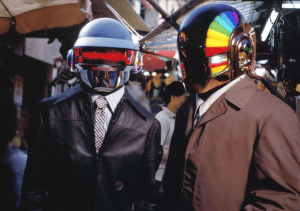
One of the defining elements of Daft Punk’s legacy has always been their commitment to visual storytelling. Their robot personas became inseparable from their music, creating an identity that transcended genres and generations.
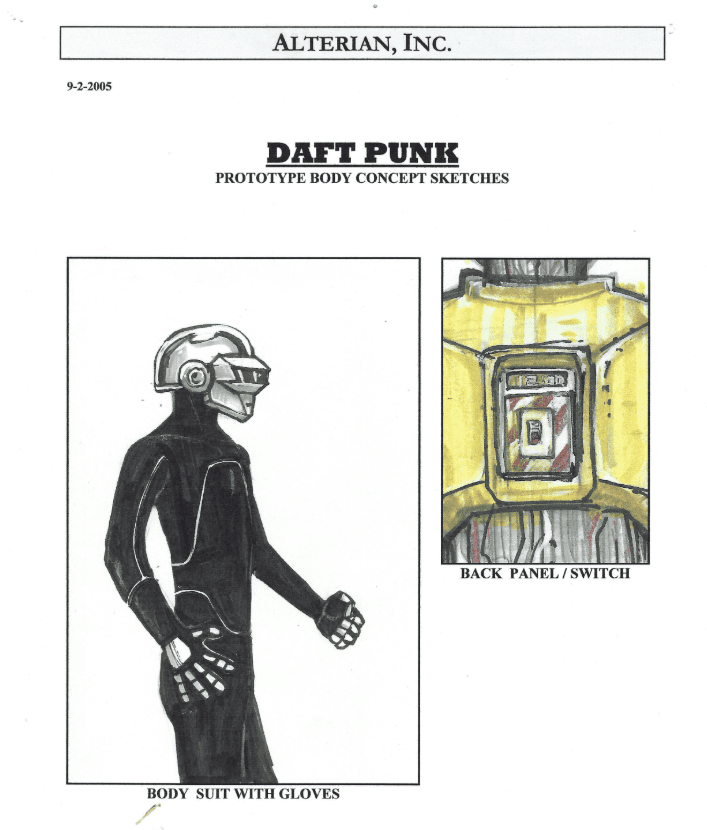
The newly released collection originates from Alterian, Inc., the special effects studio responsible for bringing the duo’s ambitious vision to life. Dated September 2, 2005, the archive features original concept sketches and an early prototype sculpture that capture the first stages of what would eventually become one of the most recognizable designs in modern music history.
Rather than presenting polished final versions, these early concepts reveal an experimental approach where designers explored multiple possibilities before settling on the famous helmets known around the world.
How the 2005 Designs Shaped Daft Punk’s Iconic Look
Early Concepts Reveal the Creative Evolution
The newly shared artwork provides an intimate look at the development process behind the legendary costumes.
Among the most striking pieces is an early metallic robot head sketch accompanied by a prototype sculpture featuring an exposed circuit board integrated into the face. The design represents an early interpretation of the idea of humans transforming into machines, a concept that perfectly aligned with Daft Punk’s artistic vision during the Human After All era.
The collection also includes preliminary body suit concepts featuring:
- Full black futuristic bodysuits
- Panel-designed gloves
- Mechanical back panels
- Prototype switch and control detailing
- Early helmet variations
Although these concepts differ from the final versions worn on stage, the essential design language is already visible.
The DNA of the Final Helmets Is Impossible to Miss
Even at this early stage, many defining features are immediately recognizable.
The visor shape, angular jawline, sleek metallic profile, and mechanical aesthetics all appear in these original drawings. While refinements were made over the following months, the foundation of Daft Punk’s signature look was already firmly established.
This makes the collection especially valuable for fans interested in industrial design, costume creation, and music history.
Why Daft Punk’s Robot Helmets Became Cultural Icons
The robot helmets were never simply costumes. Instead, they became powerful storytelling tools.
By hiding their identities, Thomas Bangalter and Guy-Manuel de Homem-Christo shifted the audience’s attention toward the music itself while simultaneously creating an unforgettable visual brand. The helmets allowed the duo to remain mysterious in an industry increasingly driven by celebrity culture.
As a result, Daft Punk became instantly recognizable without relying on traditional fame or public appearances.
That unique balance between anonymity and worldwide recognition remains almost unmatched in modern music.
From Human After All to Random Access Memories
The newly released concept sketches also illustrate how one creative vision evolved across multiple eras.
The initial designs eventually influenced the helmets worn during the groundbreaking Alive tour, where the famous illuminated pyramid stage became one of the most celebrated live productions in electronic music history.
Years later, refined versions of those same helmets appeared throughout the Random Access Memories era. Their polished chrome finish and advanced LED displays became symbols of innovation and artistic perfection.
Even the emotional farewell video, Epilogue, released in 2021, showcased helmets whose design roots can now be traced directly back to these original 2005 concepts.
Daft Punk Robot Helmet Concept Art Offers a Rare Look Behind the Scenes
For collectors and longtime fans, behind-the-scenes material from Daft Punk has always been exceptionally rare.
Unlike many artists, the duo carefully protected their creative process for decades. Consequently, every newly released archive provides valuable insight into how their ambitious ideas were developed.
The Alterian concept collection demonstrates that creating the famous robot identities involved far more than costume production. It required collaboration between artists, sculptors, engineers, designers, and fabricators working together to transform abstract concepts into wearable works of art.
That multidisciplinary approach became one of Daft Punk’s defining strengths throughout their career.
A Legacy That Continues to Inspire
Although Daft Punk officially retired several years ago, interest in their work shows no signs of slowing down.
Their music continues to attract new audiences through streaming platforms, while longtime fans regularly revisit classics that helped define electronic music for more than two decades.
The release of these concept sketches reinforces how carefully every aspect of the duo’s image was crafted. From music production to costume design, nothing was left to chance.
Today, artists across electronic music, fashion, visual arts, and film continue to draw inspiration from Daft Punk’s seamless fusion of technology and creativity.
Why These Rare Sketches Matter
At first glance, the drawings may seem like simple production materials. However, they represent much more than that.
They document the birth of one of the most influential visual identities ever created in popular music. Seeing rough sketches alongside prototype sculptures reminds fans that even legendary designs begin as simple ideas on paper.
For aspiring designers, musicians, and creatives, these archives serve as a powerful reminder that iconic work is often the result of countless revisions, experimentation, and collaboration.
Few pieces of music history offer such an intimate window into the creative journey behind a global phenomenon.
Conclusion
The release of Daft Punk’s 2005 robot helmet concept art gives fans an extraordinary opportunity to witness the origins of a legendary artistic vision. The sketches and prototype sculpture reveal how bold ideas gradually evolved into the instantly recognizable helmets that became synonymous with innovation, mystery, and electronic music excellence.
Even years after the duo’s retirement, discoveries like these continue to strengthen Daft Punk’s enduring legacy. More than nostalgic collectibles, these early designs celebrate the imagination, craftsmanship, and creative ambition that transformed two musicians into timeless cultural icons.





Comments are closed.